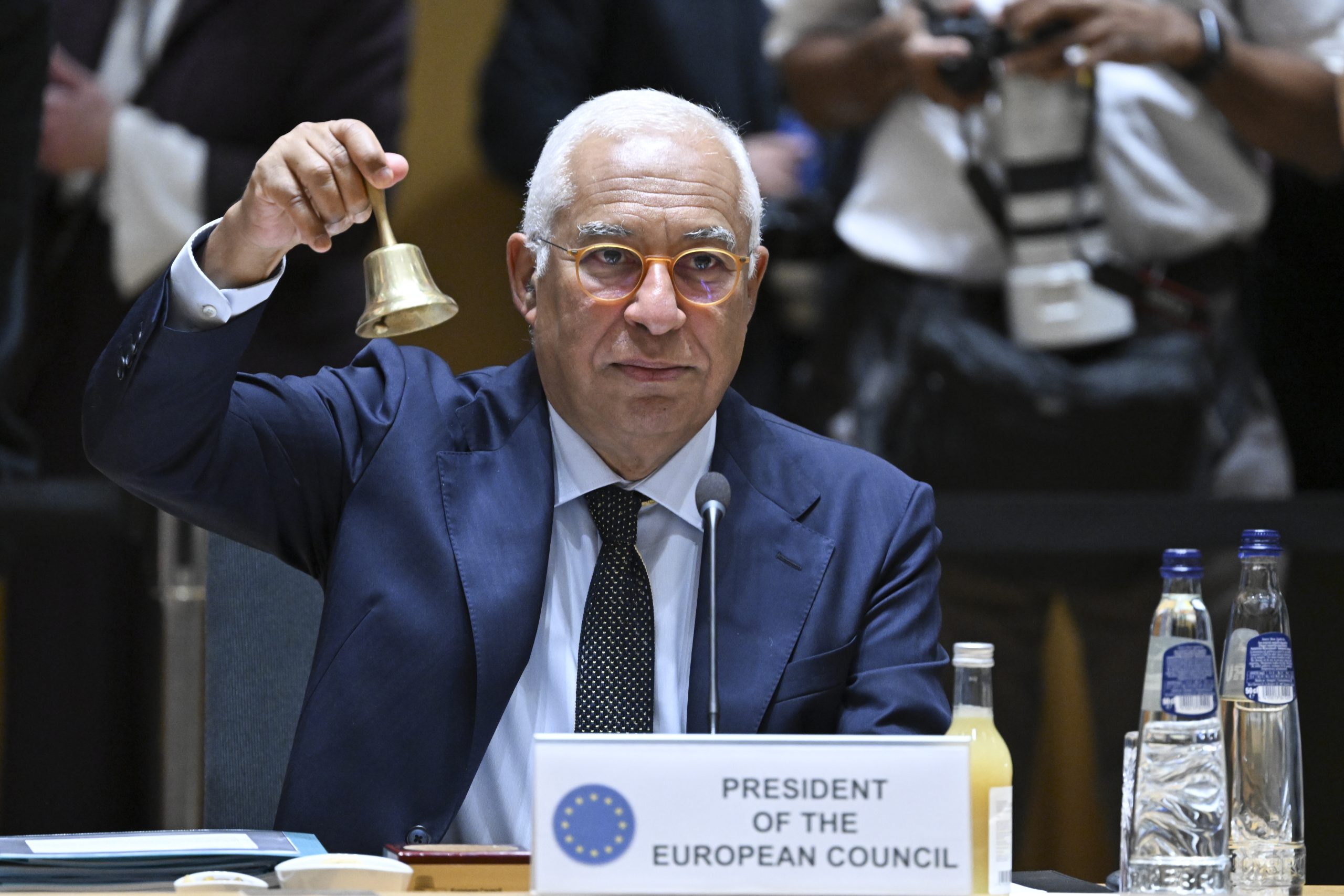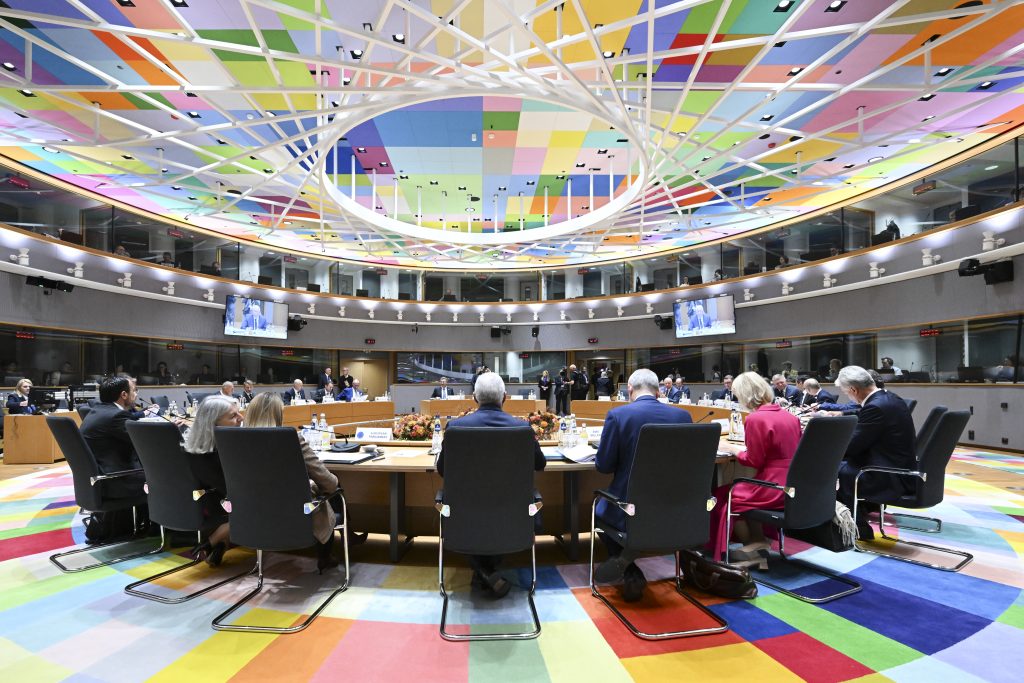
BRUSSELS – Last night, the European Council held a strategic discussion on the way forward on enlargement and internal reforms.
“Recalling its previous conclusions, the European Council stresses the continued importance of enlargement as a geostrategic investment in peace, security, stability and prosperity”, the press release notes.
EU leaders underline that enlargement is a driver for improving the economic and social conditions of European citizens, reducing disparities between countries, and must foster the values on which the Union is founded.
“Looking ahead to the prospect of a further enlarged Union, both future member states and the EU need to be ready at the time of accession. Aspiring members need to continue their reform efforts, notably in the area of rule of law, in line with the merit-based nature of the accession process and with the assistance of the EU”, the press release remarks.
In parallel, the Union needs to advance internal work and reforms, set its long-term ambitions and the ways to achieve them, and address key questions related to its priorities and policies as well as its capacity to act.
“This will make the European Union stronger and enhance European sovereignty”, EU leaders underline, recalling that the accession process is merit-based and that each candidate country advances in its accession negotiations on the basis of its individual progress.
In that light, the European Council takes note of the Commission’s Communication on ‘Preparing for a wider Union’ and calls on the Council to analyse all strands and, on the basis of this analysis, to take work forward.
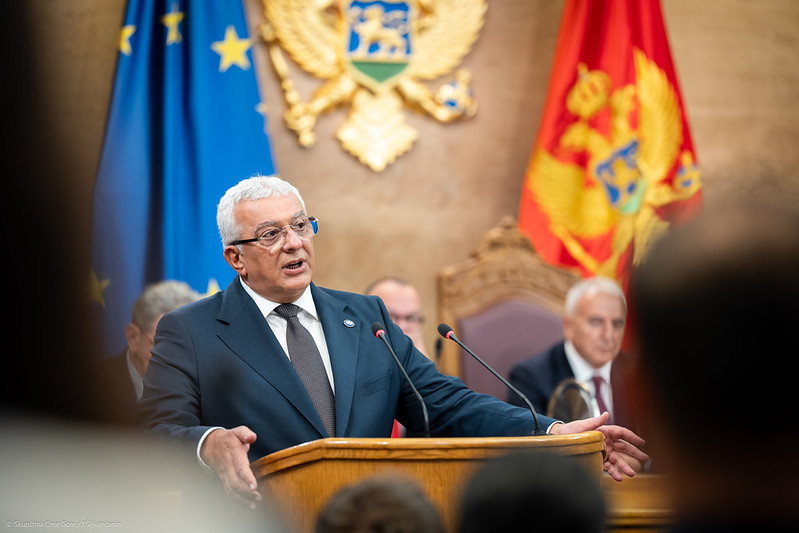
“The European Council welcomes the ongoing work on drafting the accession treaty with Montenegro. It notes the intention of the Irish Council Presidency to work towards the provisional closure of the remaining negotiating chapters, subject to the implementation of the corresponding reforms by Montenegro”, the press release concludes.
Elaborating on the strategic discussion on enlargement, Adi Ćerimagić, a senior analyst for the Western Balkans at the European Stability Initiative (ESI), stated on X that “few in the Western Balkans were watching closely”.
“But those who were, citizens and politicians, both those who want their countries inside the EU and those who doubt it will ever happen, were waiting for an answer to one question: what will EU leaders do with Montenegro’s bid for membership? Its government aims to close accession negotiations by the end of this year, finalise and sign the accession treaty in the first half of 2027, and join in 2028”, Ćerimagić stressed.
According to Ćerimagić, “from Belgrade to Skopje to Sarajevo, everyone is watching Montenegro, for two reasons”.
“The first is whether the EU will enlarge at all. The second is whether accession will actually change the country: not only its laws and institutions, but the everyday lives of its people. So what happened last night? In short: much ado about nothing. A not so long discussion that settled nothing. A bit longer: the expected explicit endorsement of Podgorica’s goal to close all chapters by the end of the year was watered down into the EU’s customary wording, vague enough to be read as some kind of support, but also as the absence of it”, he assessed.
Ćerimagić added that “the same happened to the hoped-for sense of urgency on drafting the accession treaty”.
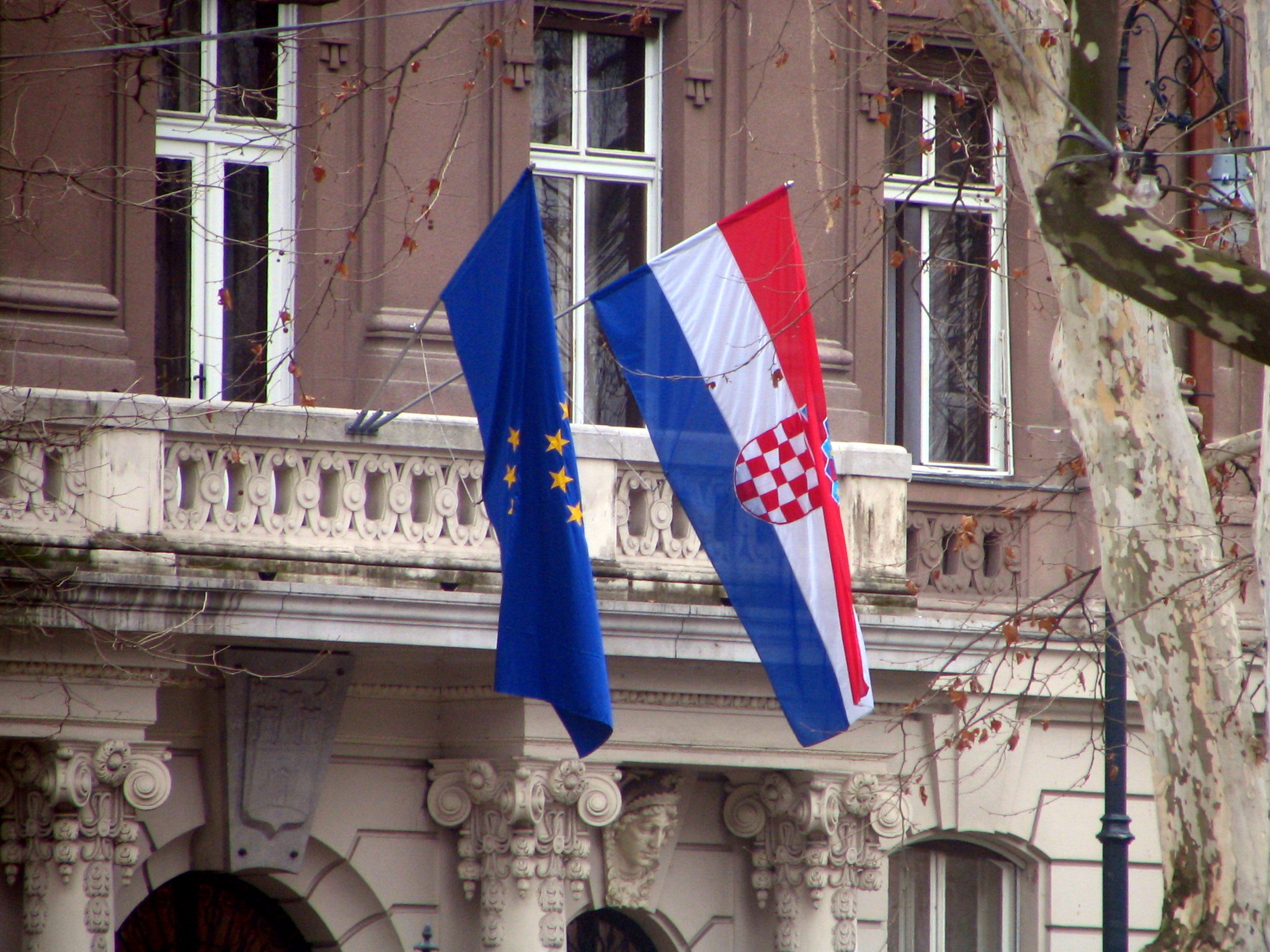
“Media in Croatia credit their own government for the watered-down wording. In reality, some other capitals were simply glad that Zagreb was ready to take the blame. As expected, much of the focus in the conclusions was on the need to advance the EU’s internal work and reforms, set its long-term ambitions and the ways to achieve them, and address key questions related to its priorities and policies as well as its capacity to act. To that end, earlier this month the Commission published its long-awaited ‘Preparing for a wider Union’ communication”, he remarked.
Regarding the next steps for EU enlargement, Adi Ćerimagić pointed out that country reports for all candidates will be published in early November, alongside targeted roadmaps, which are already controversial in some EU capitals, setting out key tasks and deadlines for the four frontrunners: Montenegro, Albania, Ukraine, and Moldova.
Furthermore, he expects the continuation of closing chapters with Montenegro, navigating Zagreb’s bilateral concerns, the drafting of its accession treaty, and the traditionally detailed conclusions of the December Council and European Council.